Sunday, October 22, 2017

Devoll River and a dam near Gramsh Albania


October 22nd 2017. Post conference field trip

https://en.wikipedia.org/wiki/Gramsh


Field trip after the conference in Elbasan (Central Albania). Lots of Kosovar beer, raki, fine red wine. Ok.

Posting some snap-shots now, with good company, including the best ichthyologists and hydrobologists and nicest uni students in town. What a relief to be away in such an exotic country. The only country in the world where people will speak Greek back to you. And the hospitality is as good - or better- as Turkey...I am coming back to search for my relatives-ancestors maybe of the Zog family (the royal family) up in the north.

Thank you to all my wonderful colleagues and friends from University of Elbasan "Aleksander Xhuvani" and the Agricultural University of Tirana.

Beer from Kosovo. 

Gramsh.

Alluvial filtration in the braided river up/stream of Gramsh. Devoll River (The fish Oxynoemacheilus pindus is common here).

Devoll River upstream of Gramsh.

Italian professor Genuario Belmonte from Lecce, Jonathan Titus from New York, Sotir Mali from Elbasan, Dean of Biology Dept. Elbasan University. 

Professor Sotir Mali, one of the nicest people in Albania.

Gramsh.

Squalius platyceps (some kind of chub) in the Devoll reservoir (I'm serious).

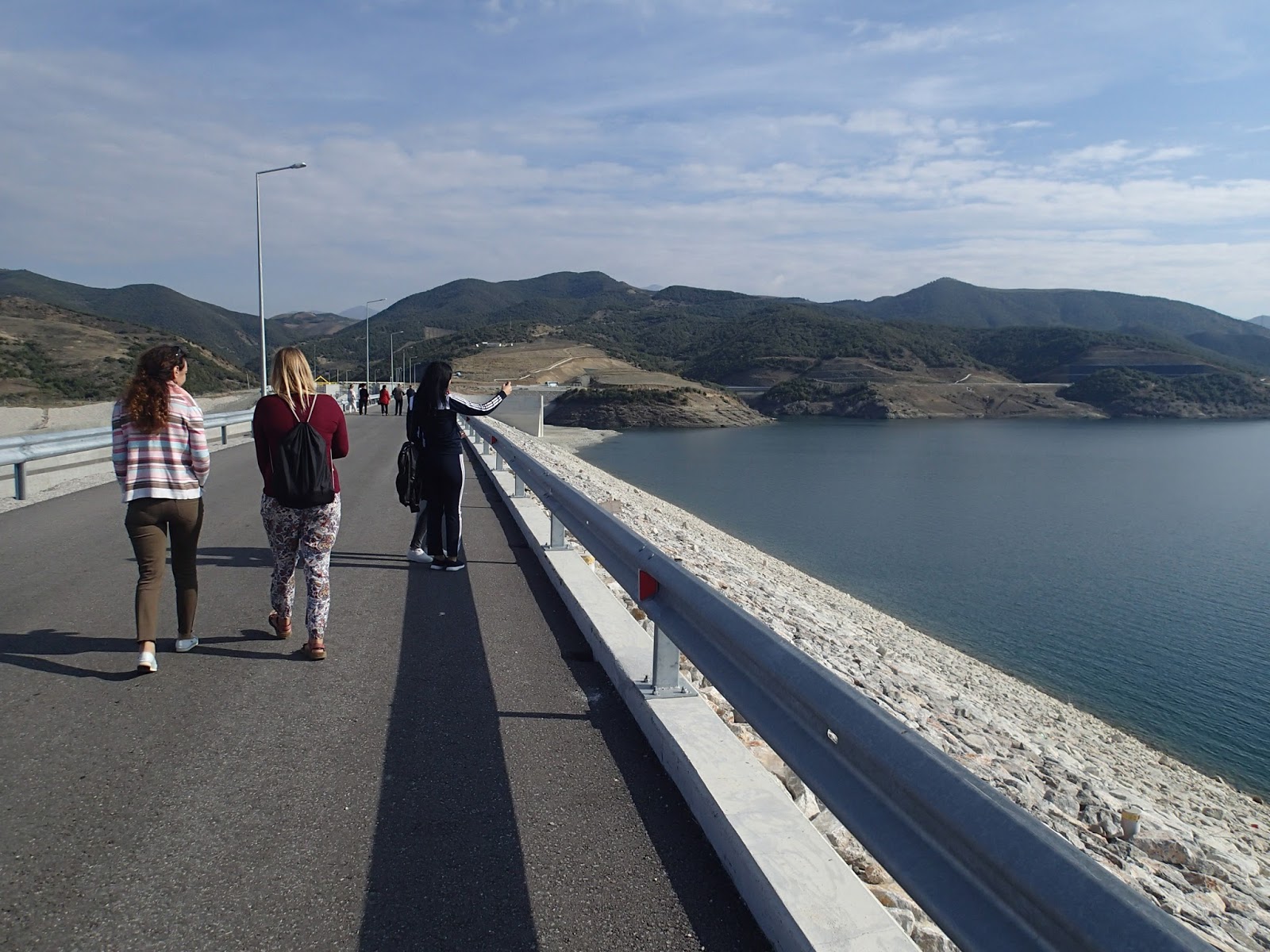
Devoll reservoir (look at the amazing new roads in Albania!!!).

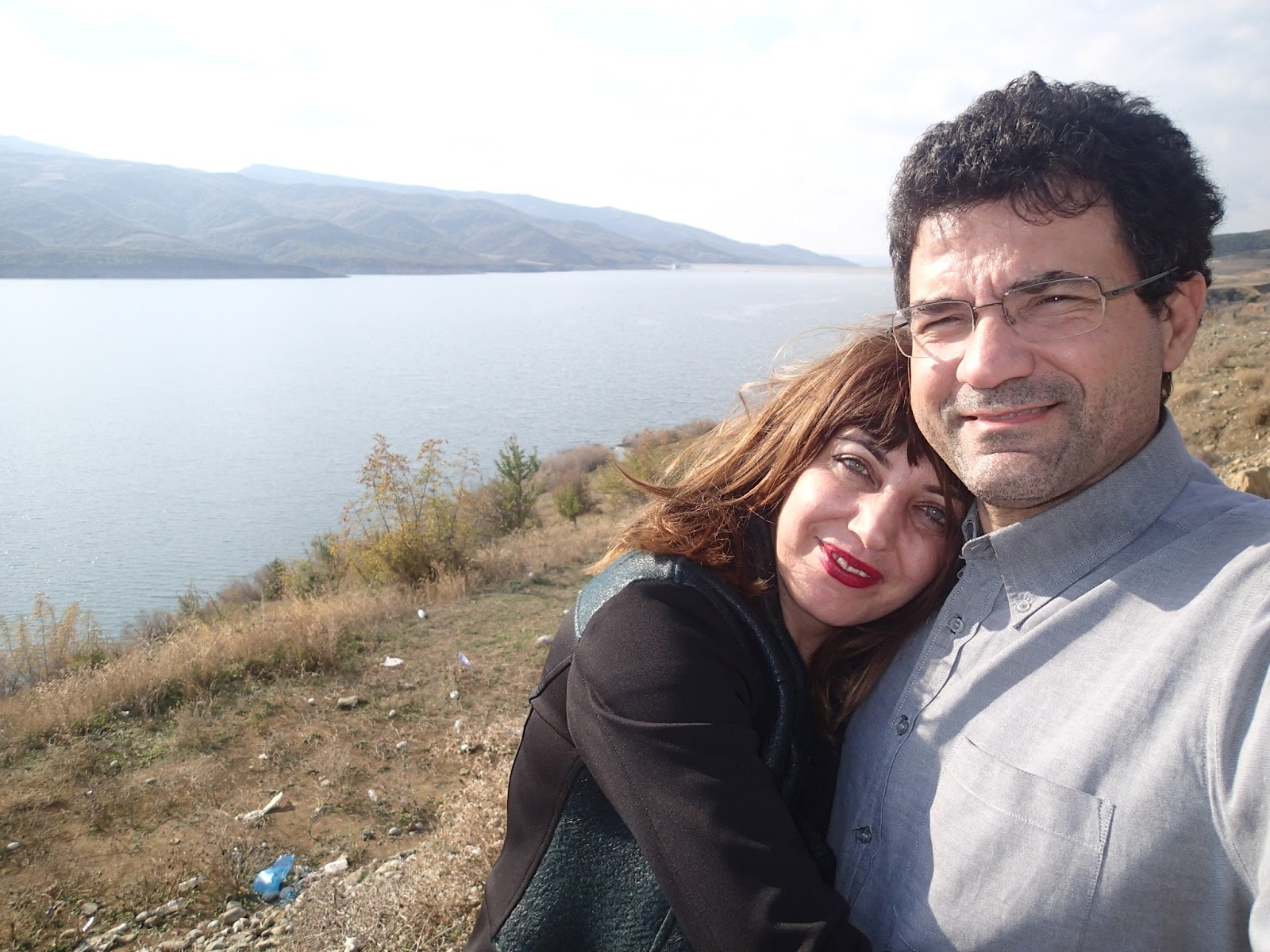
Me and my Constantinople girl. 

My best friend in Albania, Ichthyologist Prof. Spase Shumka from Tirana.

Thistles in the Autumn sun in Albania.


Chicken and Turkeys at the pazar on the outskirts of Elbasan. 

A wild Geranium (or Erodium) in Albania.

Echium italicum (i think) near the Devoll Reservoir downstream of Gramsh.
The new Dam.

Huge quantities of silt in the river bed at the head of the Devoll reservoir. Silt concentrates here due to the base level change caused by the new reservoir.

Upstream of Gramsh.

The silt. Oh the silt. Silt...Oh...

Lots of Arundo donax in Albania (foreground).

Huge new lake. The new Dam. We discussed the impacts. 

I liked Gramsh. Gramsh...

The river upstream of the industrial area of Elbasan (12 species of fish here). 

Saturday, August 26, 2017

Streams of Mount Ochi Expedition 2017 (Part 1)

Agios Dimitrios river (Porphyras river) in the Gorge.

August 19th and 20th. Karystos, Evia.

The Mount Ochi Area is a protected Natura 2000 site about 60 Km due east of Athens on the island of Euboea (Evia). This area is not a protected area just out of conicidence, or any other reason, it combines landmark wonders and spectacular nature. The scenery, diversity and uniqueness is unparraleld. I can say this for several reasons: a) I have travelled around the Aegean for many years, and b) I hold this place very close to my heart, some of my ancestors lived there. 

Here I share just a selection of photos from our recent HCMR expedition to Southern Euboea (Evia) - the first trip (two days) of two expeditions. Four of us had a wonderful time working in the rivers and streams - sampling fishes, zoobenthic invertebrates, vegetation and landscape conditiosn.

We thank the local NGO ΣΠΕΝΚ (Society for the protection of Nature in Karystos) for supporting our expedition.

See http://www.ochi.gr/

In 2007 we did something similar and are eager to compare the waters 10 years later; and the changes. See our old summery report here:

Preliminary_Surface_Waters_and_Environmental_Survey_in_the_Mount_Ochi_Area_Euboea_Greece_Summary_Field_Report_2007

Schinodavilia Beach, Agios Dimitrios Gorge.
Sample of benthic water invertebrates collected a the  Agios Dimitrios Gorge site (Photo by Anastasia Lampou).

Schinodavilia Beach, Agios Dimitrios Gorge.

At LenoseiVillage in the Dimosaris Gorge.

Site above the Bridge at Dimosaris River, below Kallianou viallage (at the Hippy Camp).

Kostas Aristeidou's underwater photos of River Blennies at Dimosaris river (from last year). 

Kostas Aristeidou's underwater photos of River Blennies at Dimosaris river (from last year). 

Our River blennies from the Hippy Camp site - at the Dimosaris River.

Kallianou Beach, Dimosaris river. 
Talking with the locals at the Dimosaris river mouth (Photo by Anasatasia Lampou).


Komito river at Dipotama in the Cavo D'Oro. Site had Otter (Lutra lutra) in 2007 and again this year!!! Also many river blennies, eels, grey mullets. 

Thicklip Grey Mullet Chelon Labrosus

Dice Snake Natrix tesselata. First record for the area - I had neglected the species (found at Agios Dimitrios, Dimosaris, Komito). 

Komito river at Dipotama in the Cavo D'Oro. 
Seine fishing at the Komito River mouth at Dipotama (Photo by Anastasia Lampou).

Platanistis river at Potami. 

Platanistis river at Potami. 

Thicklip Grey Mullet Chelon Labrosus

River blenny - male from Platanistos River.

River blenny - female from Platanistos River.

Lala river, near river-mouth with Mount Ochi towering above Karystos.

Lala river, near river-mouth. 

Lala river, river-mouth and Karystos Bay. Lots of otter sign here (!!) 
Finally also thanks to my Friend Kostas Aristeidou (Cyprus) for use of his photos of the underwater photos of river blennies from the Dimosaris river. 

Friday, July 21, 2017

Swimming pool to pond conversion


A disused former hotel pool next the esearch centre facilities at HCMR Anavissos, Greece: Potential for a pond restoration project? (Drone Photo by Manos Sperelakis, May 2017)

HCMR swimming pool to pond conversion/ Μετατροπή ξενοδοχειακής πισίνας σε λιμνίο για την περιβαλλοντική εκπαίδευση

HCMR, Anavissos, July 2017

This short proposal dwells on the potential, the benefits and opportunities in converting a former hotel pool into a pond for environmental education purposes (this draft proposal is published in Greek in order to assist in discussion and local action).


Μετατρέποντας μια ξενοδοχειακή πισίνα σε λιμνίο στο ΕΛΚΕΘΕ Αναβύσσου.

Εδώ θα αναφερθούμε στην ιδέα της μετατροπής μιας εγκαταλελειμμένης ξενοδοχειακής πισίνας σε «υγρότοπο» για την περιβαλλοντική εκπαίδευση. Η αρχική ιδέα είναι να προωθηθεί μια απολύτως μινιμαλιστική παρέμβαση ενώ στο μέλλον θα μπορούσε να γίνει μια πιο δημιουργική ανάπλαση (βλ. παραδείγματα στα παρακάτω links). 

Σκοπός και ιστορικό της ιδέας
Ο στόχος μας είναι η προσεκτική και σταδιακή δημιουργία χώρου περιβαλλοντικής εκπαίδευσης που παρουσιάζει «φυσικά στοιχεία» υγροτοπικού περιβάλλοντος (λιμνίο, φυσική βλάστηση, άγρια χλωρίδα και μικρο-πανίδα) δίπλα στα κτήρια του ΕΛΚΕΘΕ στην Ανάβυσσο Αττικής.

Από την εποχή της εγκατάστασης μας στο νέο συγκρότημα Τρίτων στην Ανάβυσσο (καλοκαίρι 2002) η εγκαταλελειμμένη πισίνα του πρώην ξενοδοχείου έχει παραμείνει τελείως αδιαμόρφωτη. Γεμίζει με αβαθές νερό με τις χειμερινές βροχές και διατηρεί έναν εξελισσόμενο μικρό υγρότοπο - ένα "νέο οικοσύστημα" με το τεχνητό δάπεδο της πρώην πισίνας (novel ecosystem κατά Moyle). Έχουν αναπτυχθεί μερικά είδη υδρόβιων φυτών και ένας καλαμιώνας με ψαθιά, βούρλα και άλλα ιθαγενή υδρόβια φυτά που προφανώς έφεραν στην θέση αυτή τα μεταναστευτικά πουλιά. Δεν έχει γίνει ποτέ εκούσια παρέμβαση εισαγωγής ειδών από μέλη του ΕΛΚΕΘΕ. Η περιοχή έχει πολύ μεγάλο πληθυσμό από πρασινόφρυνους (Bufo viridis) ένα προστατευόμενο είδος αμφιβίου. Μια απρόσμενα συνάθροιση μικρο-πανίδας υδρόβιων εντόμων που περιλαμβάνει και αρκετά είδη λιβελούλων (οδοντόγναθα) δίνει ζωντάνια στα νερά. Το 2017 παρουσιάστηκαν και χρυσόψαρα (Carassius auratus). Για 15 χρόνια η "πρώην πισίνα" εμπλουτίζεται και εποικίζεται από διάφορα είδη που βρίσκουν νερό και ζωή. Στην περιοχή έχουν παρατηρηθεί να πίνουν νερό ή να τρέφονται περισσότερα από 15 είδη πουλιών (σουσουράδες, δασότρυγγες, φυλλοσκόποι, τσιροβάκοι, χελιδόνια, κ.α.). 

Προφανώς ως έχει σήμερα - στους περισσοτέρους από εμάς- θυμίζει... "χαβούζα και πολλοί φοβούνται για τα κουνούπια". Υπάρχουν όμως κάποιοι από τον Τομέα Εσωτερικών Υδάτων όπως και ορισμένοι βιολόγοι και περιβαλλοντολόγοι του Ινστ. Ωκεανογραφίας που "απολαμβάνουν" το «λιμνιο του ΕΛΚΕΘΕ».

Έχουν γίνει συζητήσεις και σκέψεις - μεταφέρουμε μερικές πρόχειρα και ανεπίσημα εδώ. 

Περιορισμοί 

Υπάρχουν κάποιοι πολεοδομικοί περιορισμοί για αυτό σε αυτό το δοκιμαστικό στάδιο σχεδιασμού θέλουμε να κινηθούμε πολύ προσεκτικά και λιτά χωρίς νέες κατασκευές, και ουσιαστικά χωρίς καμία σημαντική δομική αλλαγή.

Αρχικό σχέδιο

Τα βασικά βήματα για το πρώτο στάδιο ανάπτυξης έχουν ως εξής:

α) βαφή του δαπέδου και τοιχίων της πρώην πισίνας σε γήινα χρώματα - καφέ και πράσινο- για να δοθεί η εντύπωση φυσικού εδάφους-βλάστησης.
β) Επένδυση τοιχίων της πισίνας με κοινά καλάμια ή καλαμωτές για να την προσομοίωση τους σε «καλαμιώνα».
γ) Παρακολούθηση των νερών και απομάκρυνση της άλγης - πειραματική διαχείριση το λιμνίου με εισαγωγή ψαριών για την μείωση των κουνουπιών καθώς και άλλον πιλοτικών ενεργειών προσαρμοζόμενης διαχείρισης. Θα υπάρξουν και πειραματικές παρεμβάσεις για την διαχείριση-μείωση των κουνουπιών (συνεργασία με ειδικούς εντομολόγους).

Θέματα

Κουνούπια. Στην περιοχή Σαρωνίδας-Αναβύσσου υπάρχουν για μεγάλο διάστημα χρόνου σημαντικοί πληθυσμοί κουνουπιών, στο ΕΛΚΕΘΕ αυτό ΔΕΝ οφείλετε αποκλειστικά στην πισίνα/λιμνίο. Αρδεύονται κήποι και υπάρχουν πολλές μικρές επιφάνειες νερού που αποτελούν ανενόχλητους χώρους αναπαραγωγής κουνουπιών. Αντίθετα η πισίνα-λιμνίο έχει τα τελευταία 15+ χρόνια μετατραπεί σε "ζωντανό οικοσύστημα" - ήδη υπάρχει σημαντικός αριθμός εντομοφάγων ζώων εκεί- εντόμων, αμφιβίων, πουλιών. Τα οδοντόγναθα (λιβελούλες) για παράδειγμα είναι μια σημαντική «βιολογική καταπολέμηση» κατά των πληθυσμών κουνουπιών.  

H αντίληψη ότι εξαφανίζοντας τους υγρότοπους φεύγουν και τα κουνούπια είναι βαθύτατα λανθασμένη. Πολυάριθμες έρευνες στο εξωτερικό δείχνουν ότι ένας υγιής υγρότοπος με πλούσιο τροφικό πλέγμα παράγει πολύ λιγότερα κουνούπια από τα ρηχά και κατακερματισμένα περιοδικά νερά «αποξηραμένου υγροτόπου» ή αρδευόμενων εκτάσεων όπου λείπουν οι φυσικοί θηρευτές των κουνουπιών (έντομα, ψάρια, αμφίβια, πουλιά). Οι υγρότοποι με πιο μόνιμη κάλυψη νερού δεν παράγουν τις μεγάλες ποσότητες κουνουπιών που χαρακτηρίζουν μικρές συλλογές πρόσκαιρων νερών, ειδικά σε συνθήκες θερινής ανομβρίας. Ακόμη και οι πεταμένοι τενεκέδες και λάστιχα αυτοκινήτων ή άλλα σκουπίδια που δημιουργούν μικροσυλλογές νερού μπορούν να παράγουν πολύ περισσότερα κουνούπια από έναν καλαμιώνα. Κάθε υγροτοπικός οικότοπος έχει διαφορετική σύνθεση και παραγωγή κουνουπιών.

Ως περιβαλλοντολόγοι και ευαισθητοποιημένοι πολίτες εμείς στο ΕΛΚΕΘΕ θα πρέπει να είμαστε οι πρώτοι που θα αναδείξουμε την σημασία και προστασία των μικρών υγροτόπων (τεχνητών και φυσικών). Η διαχείριση του Λιμνίου του ΕΛΚΕΘΕ είναι ένα τέτοιο δημιουργικό βήμα. 

Διαχείριση
Την λιμνολογική διαχείριση θα αναλάβει μικρή ομάδα ειδικών του τομέα Εσωτερικών Υδάτων και άλλων ενδιαφερόμενων μελών του ΕΛΚΕΘΕ. Η Μονάδα Εκπαίδευσης θα αναλάβει το πρόγραμμα περιβαλλοντικής εκπαίδευσης. Μια επιτροπή εντός της Μονάδας Εκπαίδευσης θα εξετάσει την εισαγωγή ειδών πανίδας – χλωρίδας καθώς και τα σενάρια διαχείρισης. Θα υπάρξει και εξωτερική συνεργασία ειδικών: Έχουμε είδη επικοινωνία με εντομολόγο που διαχειρίζεται ζητήματα κουνουπιών στην Κύπρο και συνεργάζεται με τον Τομέα Εσωτερικών Υδάτων. Το όλο «πείραμα» και η προσαρμοζόμενη διαχείριση του θα παρακολουθείται επιστημονικά και θα δημοσιευθεί (είναι η πρώτη προσπάθεια τέτοιου είδους ενεργειών ανάπλασης στην Ελλάδα).

Ασφάλεια
Ο υγρότοπος θα παραμείνει με πολύ αβαθή νερά – πάντα κάτω από 30 cm βάθος (συνεπώς το ζήτημα ατυχημάτων σε υδάτινο σώμα δεν υφίσταται). Προφανώς δεν θα γεμίζει ποτέ όλος ο χώρος της πρώην πισίνας – είναι πλέων αβαθές λιμνίου. Κάποιες περιόδους του θέρους θα ξεραίνεται για λόγους διαχείρισης (όπως ξεραίνονται και πολλά φυσικά λιμνία). Θα ασφαλιστεί με απλές παρεμβάσεις (περιμετρικό πλέγμα) για να μην υπάρχει ενδεχόμενο ατυχήματος πτώσεων στον χώρο από επισκέπτες. Θα καθαρίζεται τακτικά από σκουπίδια.


Μερικά αποτελεσματικά παραδείγματα:

http://www.humanesociety.org/news/magazines/2010/07-08/pool-to-pond_makeover.html?referrer=https://www.google.gr/

http://www.kmc.nsw.gov.au/Current_projects_priorities/Key_priorities/Environment_sustainability/Our_community_programs/WildThings/Pool_to_Pond

http://kilk.com/pond/

http://permaculturenews.org/2009/07/21/convert-your-eco-unfriendly-swimming-pool-into-a-biologically-active-and-attractive-fish-farm/

http://permaculturenews.org/2011/10/28/urban-pool-to-pond-conversion-two-year-progress-report/

HCMR pool in late June 2017. / Λιμνίο του ΕΛΚΕΘΕ Ιούνιος 2017. 

HCMR pool in late June 2017. / Λιμνίο του ΕΛΚΕΘΕ Ιούνιος 2017. 

Green toads are abundant at the former pool. Young ones in late June 2017. / Πρασινόφρυνοι στο Λιμνίο ΕΛΚΕΘΕ Ιούνιος 2017.


Tuesday, July 11, 2017

Introduction to the Wildlife of Cyprus: A Book Review


Book review: 

An introduction to the Wildlife of Cyprus

July 2017, Athens

Edited by D.J. Sparrow and E. John. Published by Terra Cypria (2016; 870 pages).  

I bought the book at my favorite bookstore in Lefkosia this June, the Mouflon Bookshop http://www.moufflon.com.cy/. Price: 60 €.

The book is absolutely amazing and everyone should get it - I wager it will go OP (out-of-print) soon.

First, I urge all to buy the book ASAP! It is a welcome gift for any Mediterranean natural history library and is a wonderful book for both visitors, students and children. 

Second, some points on its nature interpretation value: wholesome natural history!
 
The English writing and editing and the graphic art is rich and thorough and flows wonderfully throughout. Most importantly the book fills a scarce genre in books (and "book-building" as well). This genre is now possible and "easier" to build due to two things: a) various contributing experts who can and are willing to do popularised writing, and b) the amazing local photography and guidance of many good local or visiting naturalists (digital cameras...). This kind of review and popularized interpretation was not possible 20 years ago.

Third; it is a wonderful contribution to the island's non-vertebrate natural heritage. The chapters on dragonflies, moths, and many other insects are generally astounding. I learned so much and just smiled throughout. The work on the verts is also excellent, the herps and mammals and the zoogeographical issues especially (...did you know that hippos can't swim?).

Other great books exist on Cyprus's birds, herps and butterflies, but there is a lack of popularized literature on everything else of an invertebrate nature (especially the small ones...). So much of this read is novel stuff to me, refreshing, exciting!

Some criticism for the authors to consider in the revised second version. Firstly, the book has no marine section, maybe it should, even a very short one (a synoptic review like the one on the island's habitats). Secondly, some chapters do have very uneven coverage - no real reference to many groups of water bugs, water snails (except a list). There is some important missing stuff in the fish chapter. Effort should be made to narrow down the popular groups (e.g. butterflies, since Chr. Makris's 2003 book does this group justice). The authors should maybe increase aspects of other inverts in this book. But its already a huge book - I understand the restrictions. So maybe make two books!!!  Go for it authors! 

I also think there should be an effort to seek contributions from some really keystone naturalists who have worked for decades on the Island, including both G/Cypriot and T/Cypriot (but I understand this is not easy to accomplish). But this is not really criticism, its just is personal opinions by yet another critically-minded naturalist. The book is an amazing feat! To include 44 contributing authors and over 100 photographers - this is truly a work of great love, expert management and talented editing. An amazing contribution to society. 

I do not know the two British editors personally, but they seem to be amazing people - they have gathered world-experts and reviewed all-taxa macro-animals on this biodiversity-distinctive island in a scientific, artful and entertaining way. Also, they have left a legacy that should be mimicked by other Med countries (or provinces). 

The book makes a great gift.

My thanks,

Dr. S. Zogaris


David Sparrow (L) and Eddie John (R) at the book launch and signing of ‘An Introduction to the Wildlife of Cyprus’, Lemessos Town Hall, 30 November, 2016. Note the incredible girth of the book!!! (Photo: Ros Sparrow, from: http://www.cyprusbutterflies.co.uk).


Thursday, June 29, 2017

European Spirlins: More species needed!

Still unnamed "Spercheios Sperlin", unique to the Spercheios River (we will soon name it). This one caught in spring near Lamia (note the "beak-like" mark near the upper-mid body...egret maybe?).

Athens, June 30th 2017

I do not advocate splitting for conservation's sake. Splitting is when a former species is "split" into more after further investigation.  A species, based on the phylogenetic species concept (PSC), must be proven to be  a unique evolutionary line. The PSC considers species as the smallest diagnosable cluster of individuals within which there is a parental pattern of ancestry and descent - even if this separation is rather recent or limited to one or very few morphological or genetic characters. So there are no longer any SUBSPECIES in this species concept! Gone are the days of the subspecies....And the PSC is dominating zoology (except birds, not yet). 

So the chromosomal chemistry is used to initially explore differences, track isolated populations and describe distinct and descrete lineages. The molecular work also explores the relatedness and estimated closeness of ancestral relationships. Its an interesting world: molecular techniques now describe animals and plants: a new microscopic natural history! 

In our recent paper, a large group of scientists explored the phylogenetic relationships and taxonomy of the spirlins (also known as schneiders or riffle daces) in the genus Alburnoides. (They are very similar -looking stream fishes, like the shiners in America).

Molecular analysis revealed 17 Eurasian lineages divided into two main clades, termed the Ponto-Caspian and European. Lineage richness is closely connected with the existence of known glacial refugia and long-term isolated basins. We advocate that there is an "underestimation of species richness" in the genus Alburnoides: the genetic analyses support the validity of 11 morphologically accepted species; apart from them, four phylogenetic lineages requiring descriptions as separate species were revealed.

The distribution area of the nominotypical species A. bipunctatus sensu stricto is newly defined. This means Greece will no longer have the nominate species. The southern Balkans are restated as a hotbed of Alburnoides speciation. The Albanian river systems, as well as the wider Ponto-Caspian basin exhibit complications among definite species delineations and gaps in understanding of the evolutionary processes; these areas require further investigations. A. ohridanus shows high divergence from the A. prespensis complex (the Aoos river fishes are in the "A. prespensis complex" but not officially described or named yet). The unnamed species from the Sperchios river is re-confirmed to have remarkable genetic distance from all others. 

Please read our paper at:

A_multilocus_assessment_of_nuclear_and_mitochondrial_sequence_data_elucidates_phylogenetic_relationships_among_European_spirlins


Thessalian Sperlin - related to the Strymon Sperlin (soon to become valid as Alburnoides thessalicus). (Pic from collecting expedition with my Czech colleagues). Note that the dead fish in the bottom shows more intense pigmentation. (God please forgive me for all the harm I have caused to the long-suffering fishes; just felt that for a moment). 

Strymon Sperlin, now officially Alburnoides strymonicus. (Pic from the Aggitis tributary in recent years).

The enigmatic "Prespa Complex Sperlin" from the Aoos River, still unnamed. We advocate calling them Αlburnoides. cf prespensis until further study. (Picture from the Aoos work in 2005 with my friend Uwe Dussling).