
Costa Rica, August 4th to 18th 2021
Some thoughts on birding in Costa Rica after a two week "workation" with my partner Vassiliki Vlami. I would have loved to just "bird" this country but it was our first trip and we were doing field work (see below). The work went good, the landscapes beautiful, the driving long and hard.
I enjoy "slow birding"; waking early and searching-out birds on my own time, not guided. I do not usually "twitch" after rarities but I will take advice and really try to see as many birds as possible.
I'm interested in finding the birds that characterize a "life zone", ecoregion, ecosystem, etc. I've very recently become an amateur photographer, usually just documenting the experience. However, don't expect to see lots and lots of species this way.
Vasso and I tallied 137 spp in Costa Rica during the 14 days there in August; we avoided wetlands but travelled a lot. I would say, we could have done much better...with a list of 903 species in CR's bird guidebook. But rainforest birding is not easy and although we did live spectacular experiences everywhere, we "missed" a lot of species. Some notes from this trip follow.
Itinerary and key places:1. Cerro Lodge Hotel near the Tarcoles river estuary. Absolutely spectacular place to stay! We had the jet-lag issue to deal with and six nights here at the begining of the trip was a good idea and well worth it. However, we did travel a lot from this place and quite far (Nicoya peninsula, Manuel Antonio, etc).
2. Savegre Lodge, in the Savegre Valley. Amazing cloud oak forests, home to many species restricted to the high mountains of Costa Rica and western Panama, these are known as “Chiriquí endemics”. The trails are fantastic but we had a bad experience with a rainstorm on the trail and car-battery went out (car replaced). We also visited the lower elevations of the Dota region (Santa Maria de Dota) for coffee.
3. Rancho Naturalista near Turrialba. Excellent guides and wonderfully diverse landscape full of birds (many lifers!). I slept badly the first night, but after that we really enjoyed the informed guides who let us in on the secrets of the forest.
4. Puerto Viejo del Talamanca. Rainforest by the sea, absolutely fantastic. Trails muddy (bring wellies next time). We stayed at a nice rather family-style hotel at Cocles Beach, Villas de Carribe. It has a nice bar with a sea-view and on the beach is a tiny lagoon-like cove in the coral.
On departure we stayed at the excellent, Villa San Ignacio Hotel in Alejuela, near the airport.
Some comments/ recommendations for travelers during the wet season:
Try to stay at least two days at each overnight location; can't see much wildlife just driving....Car travel is very slow; you absolutely need a 4X4 if you do a cross-country tour. Don't drive at night.Seek out eco-lodges with good feeders and good reputations to learn about the birds; Wake early, every day, we did. Take a scope (we didn't). Hire professional local guides (we didn't). Expect muddy trails. Do take time to smell the flowers... Lastly, we were really impressed with the use of a Canon PowerShot SX70 HS zoom-lens camera for birding-photography; it really helped document species we often glimpsed at for just a few seconds. The quality of the video in this camera is also, to our minds, exceptional. But use a tripod (we didn't).
Finally, if you would like to see more of our work in Costa Rica please read here:
Warmest thanks to all Ticos and new-found friends who helped us in this wonderful project!
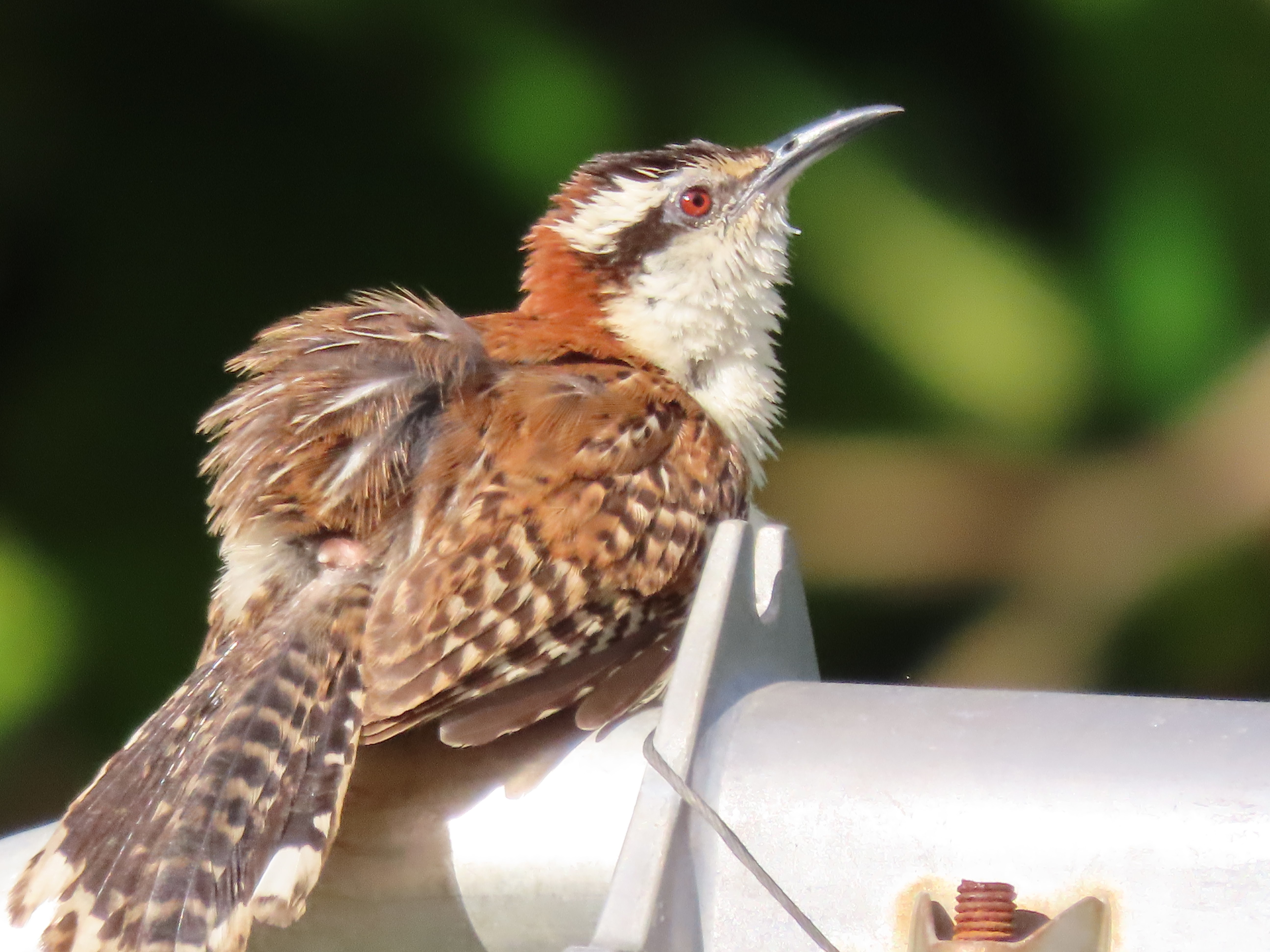
Some pics from the trip taken by myself and Vassiliki Vlami follow:

In Costa Rica we use Vamos Rent-A-Car. Just contact our amigos at: https://vamosrentacar.com/


.jpg)


.tiff)


.JPG)
.JPG)
.JPG)
.JPG)

.JPG)
.JPG)
.JPG)
.JPG)
.JPG)
.JPG)


.JPG)


.JPG)
.JPG)
.JPG)
.JPG)


.JPG)
.JPG)
.JPG)
.JPG)
.JPG)


.JPG)

.JPG)
.JPG)
.JPG)
.JPG)

.JPG)

