Wednesday, December 23, 2015

Big ichthyologial conservation questions for Greece in 2016

Illegal fishing of Ionian Trout in Greece. This catastrophe is emptying many upland streams. Immediate attention is required.


A horizon scan of ichthyological conservation-relevant science for 2016

Here I try to identify issues that could have substantial effects on biodiversity conservation science in Greece, but are not currently widely well known or understood within conservation and natural history circles working in this country. This is rapid brain storming personal "horizon scan" and is meant to insight interest and discourse - and action for 2016!
Criteria: a) must be conservation and policy-relevant, b) must really help save and support protected areas, c) must help connect to local communities and support local economies and quality of life, d) must help science excel in Greece, especially meaningfully applied scientific approaches to environmental management.

Brain storm:
  • Complete Greece's fish taxonomy. Name all the un-named species; I reckon there are at least 10 species that need valid names - at least. 
  • Complete inventory-level work on river mapping, small-wetlands (including springs) etc. Greece still has a poor system of inventory - but it is an incredibly rich country. Icthyologically the data poor and poorly associated with the "wetland inventories". 
  • Use fish in water management: Build a nation-wide WFD-relevant index that couples and complements standardized EU methods for assessing ecological quality in rivers.
  • Do WFD-relevant index-building work on Lakes and Transitional Waters as well.
  • Review and monitor the situation of alien freshwater fishes in Greece.
  • Protect places from the spread of alien species; some sites are especially vulnerable since some angling is developing there (especially lakes and new reservoirs).
  • Protect places from the spread of translocated species. Translocated species from nearby ecoregions (even within the country) are aliens too... and they can cause destructive hybridization and other calamities in local endemic stocks and can destroy local and endemic aquatic biotas. Evidence on this problem is mounting and scientists must work together. 
  • Focus on the Trout of Greece (conservation genetics, conservation management, angling management, stock conservation status). 
  • Species re-introduction initiatives. Learn to re-introduce species in places where they are now extirpated. 
  • Find the last sturgeons in the Evros/Meric and save them. 
  • Find the Vistonis Shad. If it is extinct make an effort to explain why. Restore the lake and introduce the next most related species to take up the vacant niche. 
  • Explore the unexplored places to focus on rare and endemic species distributions.
  • Promote fish-watching; create a gazette of the 100 best places to observe freshwater fishes and advertise this. Bring fish appreciation to the forefront.
  • Protect and restore migratory fish work. Look at how barriers affect fishes. 
  • Ecological flows. Work on naturalizing the flow regime where possible and important.
  • Focus on the anadromous Shad Alosa fallax - where is it breeding, where is it concentrating in marine waters. The EU Habitats Directive process demands that Greece provide protected areas for this species. 
  • Ex situ conservation is not in my mind as a priority but it is an opportunity to learn from species and use them for re-introductions. 
  • Explain and interpret the biogeography of inland waters. Utilize the new fish taxonomy. Finalize biogeographical delineations (at a fine scale and multi-leveled approach).
  • Help promote fly fishing in Greece.
  • Promote the creation of a licencing scheme for amateur fishing in Greece - currently no licence is needed and destructive fishing is rampant.
  • Create a system to monitor and police protected areas - especially places where native trout survive. Policing and active enforcement is lacking in transitional waters as well. 
  • Promote the re-structuring of the Natura 2000 network to include new areas into the protected area system of Greece. Some proposals have already been put forward in 2015 by our team working on the Natura 2000 Fish project.
  • Work on Eels. They are IUCN Critical and vulnerable in any case. Include Eels in an index of biological integrity for small streams (even on islands). 
  • Make freshwater fishes important by displaying them in public aquaria. Currently Greece has Aquaria in Rhodes, Drama, Kerkini(Vironia), Kastoria. Make more opportunities available for poeple to come into contact. 
  • Create creative opportunities for citizen science involvement. At HCMR we are working on a "fishlist" website to inform and engage the public.
  • Promote better training of electrofishing and other sampling techniques; help standardized methods.
  • Fish in or near urban areas. Work to make people aware in urban areas - fish are present and can provide opportunities for conservation and educations. They can be conservation flagships (think of eels, mullets, rarities, oddities, aliens).
  • Work on fish parasites. Alien parasites. 
  • Protect and enhance small wetlands where opportunities exist.
  • Bring fish and fish habitat into flood-control management.
  • Work on fishes in transitional waters. WE know next to nothing and important species stocks are mismanaged and on the decline there. 
  • Build on past successes in restoration work: re-visit the Louros, Nestos, Evros, Sperchios where aquatic conservation and restoration work has succeeded to produce positive results. 
  • Ichthyologists unite! WE need better field ichthyology and to bring in amateur naturalists as well. We are still in a developing stage in this aspect in Greece.
Students of nature, take your pick - and call on us to help!  


Teaching and training is very important especially when it is practiced out-of-doors. Here Professor Martinez-Capel provides Greek students with assessment techniques in a stream near Athens.

Catch-and-Release in Greece. A small community of people are doing it - we need to promote this and to work on native trout to same endemic stocks and help local communities appreciate their rivers as recreation, tourism and scenic resources (Photo: Tolis Lachanas)
Greek Barbel (Luciobarbus graecus) and IUCN ENDANGERED species can be observed using binoculars at certain water bodies in Attika (Beletsi and Lake Marathon). The hobby of fish-watching can flourish if it is nourished.


Little studied catadromous migratory species such as the Grey Mullets are important indicators to river connectivity with the sea. Here is our catch from the tiny Achinos stream in Fthiotis Prefecture - Central Greece. These small  stream communities need study and protection.

Artemis Lagoon in Attika (Loutsa). A wetlands full of grey mullet and eel that needs protection as a Nature Park. Fish are a part of the management of small wetlands such as this coastal lagoon system (connection to the sea must be maintained; and fish support rich bird populations...). 
The Meristis Wier created in 2007 on the Sperchios River. Loss of connectivity and barriers to fish movement are a serious problem for conservation and management. New dams, small H/E schemes, and other barriers are being planned in many parts of Greece. What of the fish?

Flooding in the Evros. Catastrophic flooding is a real problem and managing to abate the destruction must go hand-in-hand with ecological restoration. Flooding is important to fish dispersal. 
Illegal fishing of Vulnerable Ionian Trout in Greece. This catastrophe is emptying many upland streams. Immediate attention is required. (Photo provided by Tolis Lachanas). 

Wednesday, December 16, 2015

Μύδια του Γλυκού Νερού: Nέα ανασκόπηση / Freshwater mussels of Europe: New review


Μύδια του Γλυκού Νερού!
Νέο επιστημονικό άρθρο δίνει την πρώτη ολοκληρωμένη εικόνα της κατάστασης των πληθυσμών στην Ευρώπη

Ένα από τα πιο γοητευτικά στοιχεία της βιωτής των ποταμών και λιμνών είναι τα μύδια του γλυκού νερού - ποικιλόμορφες αχιβάδες που επιτελούν σημαντικές οικολογικές υπηρεσίες. Τα μύδια αυτά είναι σαν "ζωντανά φίλτρα" για το νερό - ένα μύδι μπορεί να φιλτράρει έως και 40 λίτρα νερού την ημέρα.  Τα μύδια έχουν και μια ιδιαίτερη σχέση με τα ψάρια - ως λάρβες ζουν πάνω στα ψάρια και έτσι μεταναστεύουν μαζί τους. Τα μύδια δημιουργούν και ειδικούς βιοτόπους στον πυθμένα των ποταμών - εκεί ζουν πολλά και διάφορα άλλα είδη ζωής, ένα ψάρι μάλιστα γεννά τα αυγά του μέσα στα μύδια. Πολλά είδη μυδιών του γλυκού νερού είναι εξαιρετικά μακρόβια - ζουν περισσότερο από 100 χρονιά! 

Όμως πόσοι από εμάς έχουν την παραμικρή ιδέα ότι πρόκειται για πολύ σημαντικά πλάσματα του γλυκού νερού που βρίσκονται στο χείλος της εξαφάνισης σε πολλές περιοχές της Ευρώπης; 

Μία νέα δημοσίευση στην επιστημονική επιθεώρηση "Biological Reviews" (I.F. 9.67)  έδειξε ότι στην Ευρώπη έχουν καταγραφεί συνολικά 16 είδη.  Δυστυχώς υπάρχουν σοβαρά χάσματα γνώσης και προβλήματα επιβίωσης για πολλά από αυτά τα είδη. Συνεργάστηκαν 49 ερευνητές από 26 χώρες και διάφορους ακαδημαϊκούς οργανισμούς για να ολοκληρωθεί αυτή η έρευνα. Η χώρα μας είναι από τις πιο άγνωστες σε σχέση με την καταγραφή των ειδών αυτών- δεν έχουμε καλή γνώση της χωρικής κατανομής ή της κατάστασης διατήρησης τους. Κάποιοι πληθυσμοί έχουν εξαφανιστεί από περιοχές στις οποίες είχαν γίνει καταγραφές δεκαετίες πριν. Κάποιοι πληθυσμοί διαφέρουν τόσο που υποψιαζόμαστε ότι είναι νέα είδη για την επιστήμη! 

Η ερευνητική επισκόπηση διοργανώθηκε άπo Πορτογαλική και Γερμανική ομάδα και υπήρξε μεγάλη προσπάθεια ανασκόπησης της βιβλιογραφίας σε αρχεία και μουσεία σε όλη την Ευρώπη - και στην χώρα μας. Στην Ελλάδα, σημαντική βοήθεια προσέφερε το Ζωολογικό Μουσείο Αθηνών (βοήθησε ο Αναστάσιος Λεγάκις) του Πανεπιστημίου Αθηνών (ΕΚΠΑ) και ο Τομέας Εσωτερικών Υδάτων του Ινστιτούτου Θαλάσσιων Βιολογικών Πόρων και Εσωτερικών Υδάτων του ΕΛΚΕΘΕ. Από το ΕΛΚΕΘΕ, ο Σταμάτης Ζόγκαρης και ο Ιωάννης Καραούζας συνεχίζουν την έρευνα των δίθυρων με τους κύριους ερευνητές του άρθρου στα Βαλκάνια. Υπάρχει πολύ καλή συνεργασία με τους Πορτογάλους ειδικούς Δρ. Manuel Lopes-Lima και Δρ. Ronaldo Sousa και έρευνα πεδίου στην Ελλάδα σχεδιάζεται να διεξαχθεί και το 2016.  

Για ερευνητικές εργασίες πεδίου στην Ελλάδα το 2014 δείτε εδώ:

Για περισσότερες πληροφορίες κατεβάστε το επιστημονικό άρθρο εδώ:
Γενική Ανασκόπιση για τα μύδια του γλυκού νερού στην Ευρώπη:
Freshwater Mussels

Αναφορά στο Γένος Potamida στην Μεσόγειο:
Potamida 2016

---------------------------------------------------------------------------------------------------------------

First study on freshwater mussel stocks in 26 European countries
The Status Quo on Europe’s Mussels

Mussels are the natural treatment plants of bodies of water and, therefore, just as important as bees. Unfortunately, they are equally threatened: most of the world’s mussel stocks are in decline and some species face extinction. For this reason, scientists from 26 European countries have compiled the first comprehensive survey on the status quo of freshwater mussel species in Europe and can now provide recommendations for the future protection of the species.

It may not always be obvious due to their concealed way of life, but mussels are among the most endangered species in the world. These mussels have an interesting life cycle since they have a parasitic stage on fish, where mussel larvae attach and metamorphose into juveniles. Very little was known about the status quo of mussel fauna up to now, as there was no information available on the stock sizes of this underwater organism. The varying surveying methods used by different countries exacerbated the problem. A catalogue of the 16 freshwater mussel species found throughout Europe is now be published for the first time in the journal “Biological Reviews”. The project was coordinated by researchers the Interdisciplinary Centre of Marine and Environmental Research (CIIMAR) in Portugal and the Technical University of Munich (TUM).

A pivotal role bodies of water

The survey’s three main authors, Manuel Lopes-Lima and Ronaldo Sousa from CIIMAR and Professor Jürgen Geist from TUM, describe how crucial mussels are for aquatic ecosystems: they form around 90 percent of the biomass in the bed of a water body. In addition, mussels filter the water and have a major influence on the water quality as a result. “Because a single mussel filters up to 40 liters of water per day,” report the authors, “we humans also benefit from the ecosystem services provided by mussels.” When the hard-shelled animals keep a body of water clean, more invertebrate organisms tend to join them there. Due to their crucial role in the aquatic habitat, the extinction of these small natural treatment plants in rivers and lakes would have serious impacts on the aquatic habitat.

Catalogue of characteristics

So what do the freshwater mussels, some of which live for over a century, need to survive? The research network, comprising scientists from 26 countries, collected information about the requirements of European mussels vis-à-vis their habitat and began by answering the following questions:

·         Where do which species arise?
·         How big is the current stock?
·         How are the species related to each other?
·         What are their preferred habitats?
·         What are the greatest threats to their survival?

One result of the Europe-wide study is the extent of the gap between north and south. There are fewer species in the north of Europe, for example Scandinavia, but the populations there are bigger. In contrast, southern Europe has more species, but some of them are only found in a handful of waters. This can be due to the fact that they are specialized on one fish species and if this species only arises on the Iberian Peninsula, the mussels that depend on it can only survive in proximity to it. In addition, mountain ranges like the Alps and Pyrenees act as geographical barriers. “If a mussel population dies out in just one location in the south, this can represent half of the global population,” as explained by these scientists. 

Which habitats do the mussels prefer?

The fact that some mussel species are dispersed all across Europe and have given rise to different strains could be related to the ice ages and periods between them, on the one hand, their fish hosts and the conquest of new habitats, on the other. In addition, the scientists established that less demanding mussel species can spread more successfully, as they can survive in different water bodies and quickly adapt to changes in the water quality. Similarly, some species prefer warmer, stiller waters while other mussel strains are more tolerant and can survive just as well in cold rivers and streams as in lakes.

What are the threats to Europe’s mussels?

The authors also summarize the main threats to the species in their report: 

·         Barrages, weirs and dams
·         Pearl fishing (for certain species)
·         Pollution and over-fertilization
·         Loss of fish hosts
·         Invasive species
·        Water extraction and climate change 
·        Other hitherto unknown stress factors


To ensure the long-term conservation of freshwater mussels for aquatic ecosystems and their functions, the authors recommend that detailed scientific plans with defined objectives be compiled. Targeted protection should be provided for populations that are important from an evolutionary perspective and whose stocks have already been reduced by 90 percent, water bodies with a high level of mussel species diversity, and also healthy mussel stocks in intact habitats. “Because a mussel is highly dependent on its fish host and these are in decline, particular attention should be paid to the fish stocks,” as explained by the authors, “even if some of these fish species do not have any particular economic value.” 

In Greece, the Zoological Museum of Athens University spearheaded by Anastasios Legakis and the Department of Inland Waters of IMBRIW at HCMR worked on this paper. Stamatis Zogaris and Ioannis Karaouzas from HCMR continue work with the main authors of the review paper for research into the Balkan fauna. Field surveys are being planned in Greece for 2016.  

For a look at field survey work in Greece see this:

For further information please download the review paper in proof form here:
Review Paper:
Freshwater Mussels in Europe

Reoport on the rare genus Potamida in Mediterranean inland waters:


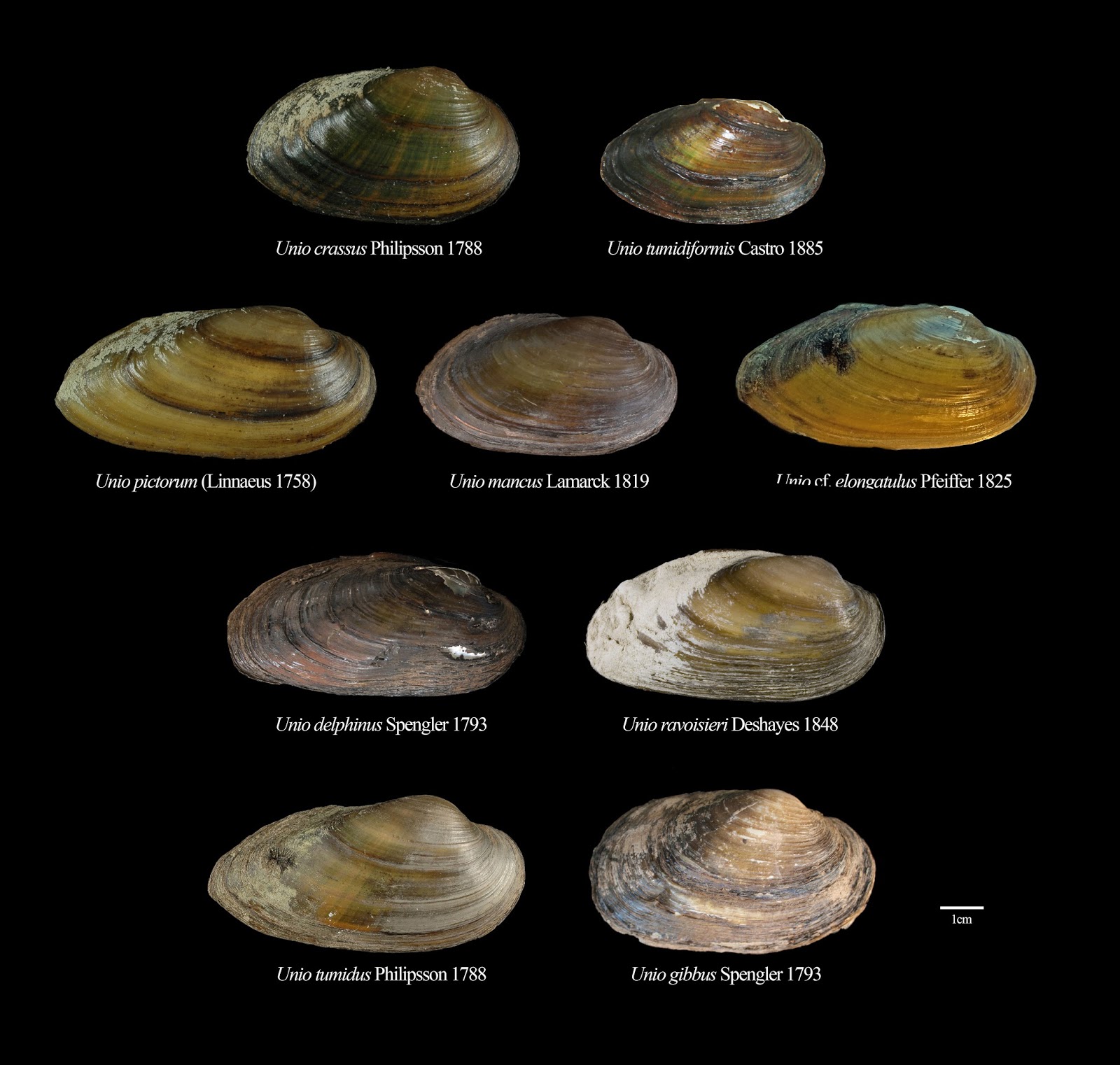
Freshwater mussel species illustrated in the recent "Biological Reviews" paper.


Pearl mussel species illustrated in the recent "Biological Reviews" paper.

Lake Yliki is a very important habitat for freshwater mussels near Athens. Λίμνη Υλίκη, Βοιωτία - πολύ σημαντικός βιότοπος για τα μύδια του γλυκού νερού κοντά στην Αθήνα.
A mussel species found in an artificial lake on Mount Parnitha near Athens. Είδος μυδιού του γλυκού νερού σε τεχνητή λίμνη στην Πάρνηθα (Φωτό: Δ. Κουτσογιαννόπουλος).

The Pinios River in Thessaly, an important area for freshwater mussels. Ο Ποταμός Πηνειός στην Θεσσαλία - σε καθαρά τμήματα όπως εδώ στον άνω ρου του - υπάρχουν σημαντικοί πληθυσμοί με μύδια του γλυκού νερού. 


Sunday, November 29, 2015

Alyki Anavissos Wetland: At conservation-development crossroads?


Alyki Anavissos Wetland (Anavissos, Attiki)
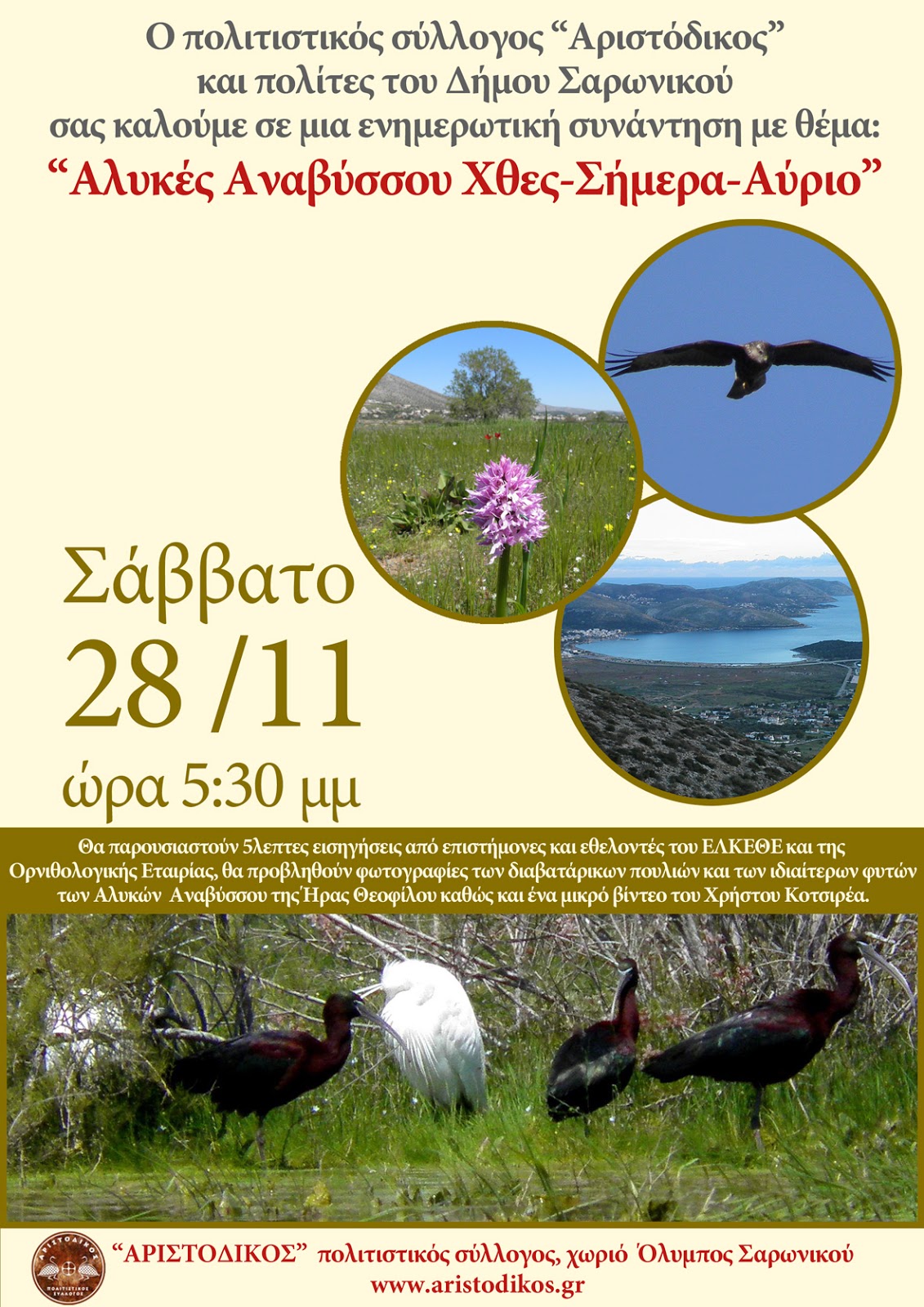
Public meeting on 28th November 2015 

Locals and volunteer environmentalists held a public meeting yesterday in Anavissos; about 60 concerned citizens showed up. The future of the wetland is at stake: The former salt pans are public property that is being held by government in a special "land-fund", probably aiming towards "develop"(the Korission Lagoon dunes of Corfu are in a similar predicament...). Greece is in a great depression, could this be used as an excuse to sell-off Alyki Anavissos Wetland? 

Most locals and many Athenian citizens I think are against this sell-off. After all this site is a designated wetland protected area (enacted in July 2014). And the area has seen long battles by concerned citizens to stop concrete-based development on this site in the past.  

The Hellenic Ornithological Sociaty (HOS) know the site for many years but no in-depth study has ever been done. This year, 2015, was special because certain locals and Athenian naturalists flocked down and started to carefully document the wildlife and flora of this site in a systematic manner. A radiant young lady by the name of Ira Theofilou took photos of birds on site during repeated visits (she is now HOS caretaker for the site). The co-author of "Birds of Attika", Lefteris Stavrakas, was on hand to help with documentation.

Other locals, such as super-volunteer expert Mania Vranopoulou and some notable Athenians who live here or have holiday homes here, have also really taken care to research the status of the "property" and to work for conservation. Dimitris Klouras - what I would call a supreme environmental lawyer - has a deep knowledge of the legal situation and the history. Professors, archaeologists, school-teachers, artisans, artists and some non-discript good people....have shown a real interest and seem really engaged in this campaign.  

But here is a delima for some locals: Should we support "passive development" (so-called ήπια ανάπτυξη, meaning compromise...) or all-out nature conservation (i.e. the creation of a Nature Park). Most people at the meeting promote the idea of a Nature Park.

For more info on the wetland and my views on this issue look at:


Here I have asked Ira Theofilou for posting permission (quite a while back actually) to share her amateur photography on this blog. It documents some amazing birds in amazing habitat conditions at Alyki Anavissou - all photos taken by her are on-site in 2015. Few would believe this kind of natural environment and birdlife at Alyki Anavissos- yet it really is there..... And many of the birds, other wildlife and flora are really rare and scarce in the surrounding area. They really depend on this small wetland. ...Lets see what happens in 2016....

Water Buttercups (Ranunculus cf. aquatilis complex) grows in wonderful sheets on the shallow pools in spring. This is one of the few sites in Attika to host this habitat type. Photo by Ira Theofilou (Spring 2015). 


Little Egrets.  Photo by Ira Theofilou (Spring 2015). 

Glossy Ibis.  Photo by Ira Theofilou (Spring 2015). 

 Squacco Heron (L). Photo by Ira Theofilou (Spring 2015). 

 Common Sandpiper. Photo by Ira Theofilou (Spring 2015). 

Little Egrets.  Photo by Ira Theofilou (Spring 2015). 

Migratory waders.  Photo by Ira Theofilou (Spring 2015). 

Gull-billed Terns - really scarce species in Attika.  Photo by Ira Theofilou (Spring 2015). 

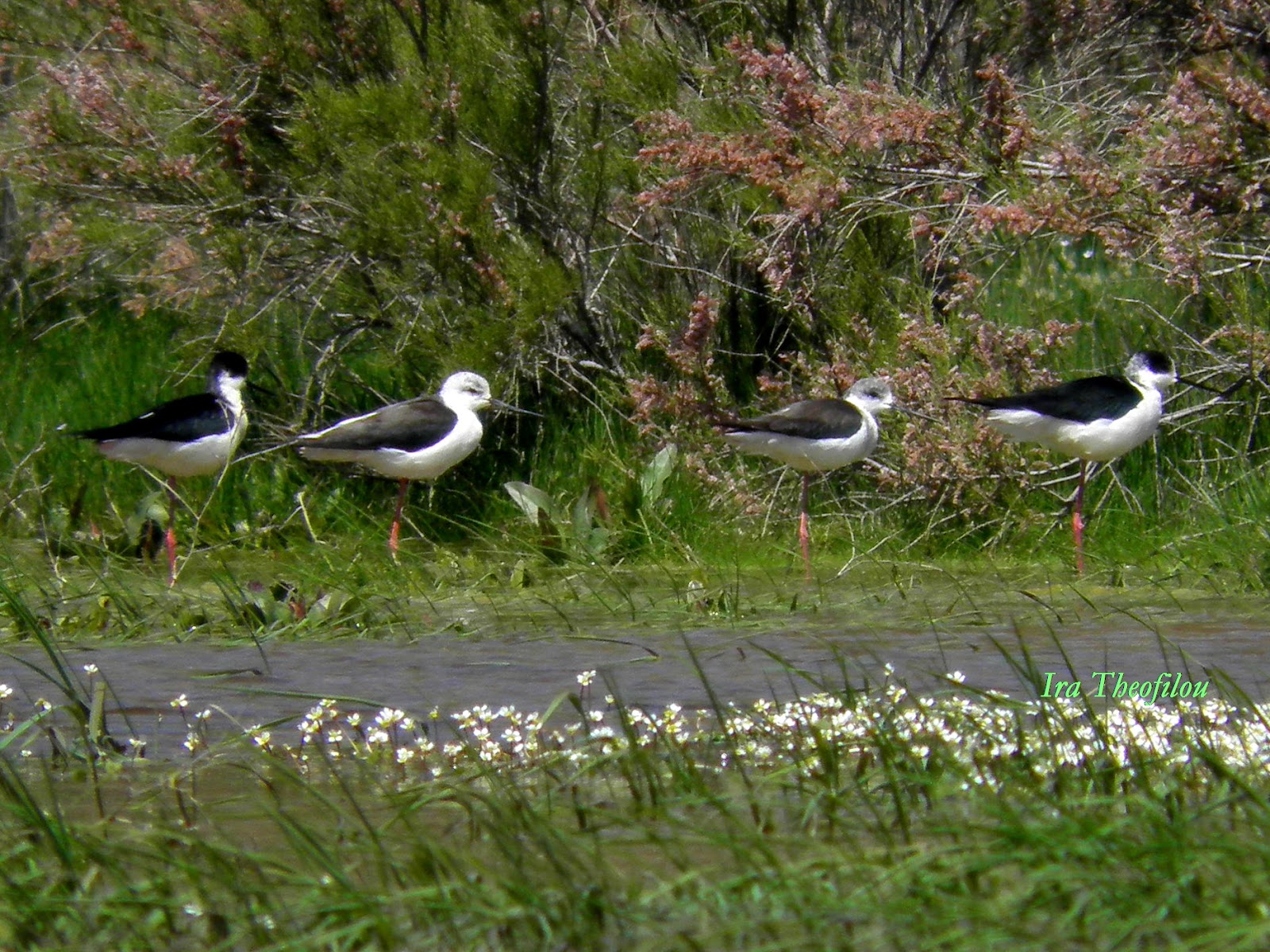
Black-necked Stilts.  Photo by Ira Theofilou (Spring 2015). 

Yellow Wagtail. Photo by Ira Theofilou (Spring 2015). 

Black-crowned Night Heron.  Photo by Ira Theofilou (Spring 2015). 

Ruff with Wood Sandpipers.  Photo by Ira Theofilou (Spring 2015). 

Little-ringed Plover. Photo by Ira Theofilou (Spring 2015). 

Grey Herons.  Photo by Ira Theofilou (Spring 2015). 

Common Shelduck. Really rare species in Attika. Photo by Ira Theofilou (Spring 2015). 

Common Shelduck on semi-natural vernal pool habitat and rush-beds. Photo by Ira Theofilou (Spring 2015). 

28th November 2015: The public meeting was held in a tiny school-house which is now a community center run by the Aristodikos Society. There was a wonderful video presentation by Christos Kotsireas. Photo taken by yours truly (rather embarassing actually). 

28th November 2015: HOS super-birder Lefteris Stavrakas and Ira Theofilou (at center, L of video camera) do a wonderful team effort of explaining the ornithological richness of Alyki Anavissou Wetland.


Note on the English site name: I chose to call the site "Alyki Anavissos Wetland". In Greek it is called Αλυκές Αναβύσσου - Αλυκές, salina salt pans being plural. Some Greek-speakers also call the site Αλυκή "Alyki". This is common in salina wetlands in Greece -where both Alyki an Alykes is used for the same site.  I think Alyki Anavissos rings better in English. Anyway...


Saturday, November 7, 2015

Urban park ecological restoration in Vancouver


New Brighton Park showing some key wildlife habitats in black and the proposed site of the Salt Marsh Restoration.(This composite sat-photo I found on the Internet and I entered the names of habitats in black and blue).

End of October 2015 
New Brighton Park: Ecological restoration proposal and some ideas for future management

I was intrigued to see that there is an effort and a plan for the restoration of salt marsh and stream habitat at New Brighton Park in Vancouver Canada. This is a 10 ha park on the south shore of Burrard Inlet in East Vancouver. Since I have studied the birds of the park on and off for many years (especially when I lived in the neighborhood between '86 and '95), I do have some thoughts about this and will share some here as well as photos from my recent visit in mid October 2015.

  • The neighbourhood and park was different 20 years ago; there where some vacant lots, even open areas on Burrard inlet that have since been paved and built on; so the existing value to wildlife - as an open space and unbuilt shoreline- at least - has risen.
  • The park does have a serious biodiversity value today and the potential to become an important wildlife area inside Vancouver city proper. Much of the wildlife in the park is now mostly of marine-species on the coastline. The lawn-like features of the park dominate. Dogs and dog-owners need these open spaces and I respect that. However it could be rather easy to incorporate some "high nature value" features in this park in order to make it a success both for people and wildlife.
  • The park needs a face-lift! It is so "lawny", so 20th Century, as are so many city parks! And the potential is great for a real "nature rejuvenation" and re-wilding since the location chosen by the restoration planners is an excellent area (the eastern end of the park). Everything should be done to make New Brighton a New wildlife-friendly nature interpretation experience for people and a great sanctuary for biodiveristy in the city.

Recommendations:

1. Already the wildlife, biodiversity and nature interpretation values of the park have been "discovered" by the City Planners who documented it in their reports. Wildlife values should be better documented and displayed openly. In the map above I provide some of the key "generic habitats" that the park currently offers to wildlife. Some of these are new creations, landscaped in very recently. "Tree grove and rough grassland fringe" is important for birds, this year we spotted Western Meadowlarks here for the first time - a rare sighting within Vancouver city limits. The tall deciduous trees (eastern maples, eastern oaks, poplars) are fantastic feeding-resting areas for migrant birds and important perches for raptors (including: peregrine, hawks etc) and they line the inland margin of the park along the railway and near the wheat-pools at the eastern end - perfect boundary features. The newly incorporated "terraced scrub feature" near the road over-pass is really quite a good idea; the bramble thicket and scattered tree-lets are good for wildlife despite being alien plants (most people don't realize how important some alien species can be for native butterflies, other insects, song birds etc). Other older anthropogenic elements such as the "dolfins" (i.e. pilings, in this case, old log jetty support features). This element exists in the marine environment just west of the park boundary and is extremely important for Bald Eagles and for many birds on the foreshore. Some "new" mini-coves have been created that give a gentle slope and beach-like inter-tidal conditions where there used to be just an in-filled shore (full of construction-site debris etc...). Finally, the marine waters are teaming with life and offer great opportunities to see fishes, seals, sea lions, sea birds, waterfowl etc - often in spectacular wildlife scenes. So the place is as a whole on a good road to recovery. 

2. We should take note that many "incremental" changes have been degrading and destroying biodiversty and wildlife "micro-habitats" all around the Hasting sunrise neighborhood area, even immediately around this park. The two Google Earth images below show that immediately west of the park important habitats have been lost in just the last 13 years.In-filled regenerating meadows, foreshore riparian and rough-grassland/secondary woodlands have been lost.


These to images captured from Google Earth  show incremental habitat destruction at the western edge of New Brighton Park. Road expansion, parking lot creation, new subdivision development have all had detrimental effects to biodiversity at the local scale. Hopefully the new restoration work in the park will help compensate. In fact we owe it to wildlife and to quality of life to rejuvenate nature in city parks where significant potential exists.  
3. New Brighton is a multiple-use park not a nature park. We don't want to take anything away or restrict people's use. On the contrary, some really small-scale strategic management actions will enhance all visitor's experience. One example is the idea of a "rough grassland fringe". This is really important for wildlife and increases aesthetic values. Just changing the mowing regime a bit makes a great difference - otherwise all uses remain more-or-less the same.

4. Human and dog disturbance to wildlife can be regulated. The area does have some important wildlife populations certain times of the year. Raptors, waterfowl, owls, seals, otters do need space and they will be displaced by poorly planned trails and unforeseen people-wildlife interfaces. So planners should be extra careful to provide cover when landscaping in the habitat restoration features. The idea of an "island" in the salt marsh restoration is a good idea. Wildlife experts must be consulted.

5. This salt marsh restoration project is very important for Vancouver and as an exemplar project for urban parks everywhere. The project supports the direction of the Vancouver Park Board’s Strategic Plan and Re-wilding Action Plan. It also implements the vision of the 2010 Hastings Park/PNE Master Plan and the 1997 New Brighton Park Master Plan. The possible creation of a salt marsh in New Brighton Park is a critical component of the long-term restoration of Renfrew Creek. New Brighton Park is one of the only important remaining opportunities to restore coastal wetland habitat on the south shore of Burrard Inlet. The industrialization of the shoreline from Stanley Park to Second Narrows and beyond has impaired the inlet's ability to support rich natural communities of fish and wildlife. Habitat for juvenile fish is lacking. Juvenile fish from the Seymour and other rivers in the inlet have been known to experience high mortality as they migrate through Burrard Inlet. A restored salt marsh would provide productive habitat for juvenile fish, shorebirds, and waterfowl. The site will be of increased value for terrestrial biodiversity as well if the park management includes micro-measures to enhance rough-grassland fringes and take care to enhance other micro-habitats.


FOR MORE INFORMATION ABOUT THIS PROJECT PLEASE TUNE IN AND PARTICIPATE AT: vancouver.ca/newbrightonsaltmarsh


The bramble thicket from the bridge-overpass looking East over the park (Second Narrows Bridge in the distance). The bramble area punctuated by a few willows, big-leaf maple saplings and other trees is great for passerine birds. 


From the bramble thicket: The Fig (Ficus carica) a tree that I know well from Greece. It is making a presence in Vancouver and will grow better as the climate warms. I don't think its an especially invasive alien species. Although I am all for getting rid of alien invasive weeds, we shouldn't be over-sensitive in urban areas since urban wildlife finds resources, cover and comfort in many many of these. 

Burrard Inlet waters are were crystal clear in mid October.

Lonely fisher on Burrard Inlet. Harbour seals easily seen here everyday. This cove is man-made - it is natural looking and really wonderful for people and wildlife.

Most of the wildlife action takes place on the Inlet. The variety of birds is remarkable but I was able to catch only a few Canada Geese on our cheap digital insta-camera.

Juxtaposition of nature and industry defines New Brighton's scenes.

Canadas. But seriously the park is a great birding area: I saw 20 species on a brief walk in one morning this October.

These are the "dolfins" immediately west of the Park boundary - they was a small steel jetty here in the early '80s. Now they are a regular perching area for Bald Eagles. This one is feeding on a young G-W Gull. (The term "dolfins" on the BC coast relates to wooden pilings if I recall correctly).

The western edge of the Park Boundary. Beyond this fence was vacant lot  that had a variety of birdlife in the '80s (I have even spotted short-eared owl, snow goose, etc in this lot. It is now a big black-topped tarmac parking lot for trucks to park and load-unload on. 


Rock weed and various underwater surprises at low tide. I watched stickleback schools and other fishes through the clear waters. 
Most of the park is like this. The open space is great. Gives a feeling of safety and great for dog running. Some birds like the Geese love it too. However creating a rough grassland fringe at some places will increase wildlife and aesthetic values. 

This is the tennis court (rarely used) at the eastern side of the pare where the salt marsh restoration is planned. I hope some of these trees are felled to bring in a open feel to the salt marsh. Salt marshes on Pacific estuaries have an openness so its important to not clog-it in full of trees. Also most large waders and waterfowl and many raptors need openness for a kind of "cover" and safety (they do not want to feel surprised by other predators or "enclosed").

Two Western Medowlarks, this one photographed at New Brighton on Oct 9th, a rare sighting for the Vancouver Area. Proof that the park is important for wildlife. The park has a long list of birds, including many rarities.
Nice bright early morning at the western end of the park were some trees have recently been planted. Most survived and are doing well in to an open grove like habitat. The Western Meadowlarks were spotted near the rough grasses near shore at this area.


Architect's proposal for New Brighton Park circa 1960; exhibited at the PNE (Pacific National Exhibition). Note the anthropocentric and space-age look to the place. Open spaces dominate - so...20th Century don't you think? 


Location of New Brighton Park in East Vancouver near Canada's Highway 1 within the fjord known as Burrard Inlet.